Beginners should start with five categories of AI sales tools: a CRM with built-in AI (HubSpot or Salesforce), a sales engagement platform (Outreach or Salesloft), an AI writing assistant (ChatGPT or Gemini), a conversation intelligence tool (Gong or Fireflies), and a proposal/RFP automation tool. Master these before adding niche tools.
Start With a CRM That Has AI Built In
Your CRM is the foundation. Everything else plugs into it. Most teams get this wrong by chasing shiny point tools before they've cleaned up their pipeline data.
Pick one CRM and learn it deeply. For beginners, the choice usually comes down to HubSpot vs Salesforce for B2B startups. HubSpot is friendlier for first-timers; Salesforce scales further but has a steeper curve.
Modern CRMs ship AI features you should learn early:
- Lead scoring that ranks prospects by close likelihood
- Deal forecasting based on historical pipeline patterns
- Email summarization and next-step suggestions
- Data enrichment that auto-fills company and contact details
Don't treat these as magic. The AI is only as good as the data you feed it. Log activities consistently for 30 days before judging the predictions.

Learn a Sales Engagement Platform
Once contacts live in your CRM, you need to reach them at scale without sounding like a robot. That's what sales engagement platforms do. They sequence emails, calls, and LinkedIn touches, then use AI to suggest send times and rewrite copy.
The two market leaders are worth comparing directly: see Outreach vs Salesloft for mid-market teams to understand the tradeoffs. Both offer AI features like send-time optimization, sentiment analysis on replies, and automated follow-up cadences.
As a beginner, focus on:
- Building a basic multi-step sequence (email, call, email, LinkedIn)
- A/B testing two subject lines
- Reading the AI reply-sentiment tags to prioritize hot leads
Add an AI Writing Assistant
General-purpose AI assistants like ChatGPT or Google Gemini are the cheapest, fastest skill to pick up. Use them for:
- Drafting cold email first drafts
- Researching a prospect's industry before a call
- Summarizing long email threads
- Generating discovery questions
The skill that matters is prompting. Give the model context: who you're selling to, what you sell, and the tone you want. Vague prompts produce generic output that any prospect will spot instantly. Treat AI drafts as a starting point, then add specifics only a human would know.
Use Conversation Intelligence for Calls
Conversation intelligence tools record, transcribe, and analyze sales calls. Gong and Fireflies.ai are common starting points. They surface which talk tracks correlate with closed deals and flag when a rep talks too much.
This matters most when you're preparing for and reviewing meetings. If you're still learning how to run effective calls, pair this tool with the fundamentals of preparing for a sales discovery call. The AI will show you where your discovery actually broke down.
Beginners get value from three features:
- Automatic call summaries pushed to the CRM
- Keyword tracking (competitor mentions, pricing objections)
- Talk-to-listen ratio feedback
Learn AI Proposal and RFP Automation
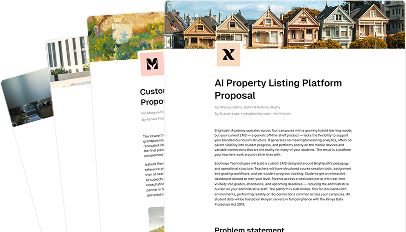
Closing deals often means responding to RFPs or sending proposals. This is where Wonit and similar AI tools save the most hours. Instead of rewriting the same security, pricing, and capability answers, an AI proposal tool pulls approved content from a central library and drafts responses.

Key beginner skills:
- Building a clean answer library with tagged, approved content
- Reviewing AI drafts for accuracy before sending
- Tracking which answers win deals
Accuracy is everything here. AI can draft fast, but a wrong compliance answer in a proposal can lose the deal or worse. Always have a subject-matter expert review automated responses.
A Simple Learning Order
| Order | Tool Category | Example Tools | Why First |
|---|---|---|---|
| 1 | AI CRM | HubSpot, Salesforce | Foundation for all data |
| 2 | Sales engagement | Outreach, Salesloft | Scale outreach safely |
| 3 | AI writing assistant | ChatGPT, Gemini | Cheap, fast wins |
| 4 | Conversation intelligence | Gong, Fireflies | Improve calls |
| 5 | Proposal/RFP automation |
Don't try to learn all five at once. Spend two to three weeks on each, in order. The CRM and engagement platform connect directly to whether you're running inbound or outbound motions, so let your sales model guide how aggressively you configure sequences.
Key Takeaways
- Start with one AI-enabled CRM and log data consistently before judging its predictions.
- Add a sales engagement platform to scale outreach, then layer in an AI writing assistant.
- Conversation intelligence improves your calls; proposal automation speeds up closing.
- AI output is a draft, not a final answer. Human review is non-negotiable, especially on proposals and compliance.
- Learn tools in sequence, not all at once. Depth beats breadth for beginners.