Handling team restructuring during a remote-first agency migration means redefining roles around asynchronous output instead of physical presence, mapping current workflows to documented processes, consolidating tooling, and rebuilding communication norms. Start by auditing who does what, then rebuild reporting lines around outcomes and self-managed pods rather than desk-based supervision.
Most agencies get this wrong by trying to copy their office org chart into Slack. That fails. Remote-first isn't "the same team, now at home" — it's a different operating model that rewards documentation, clear ownership, and trust over visibility.
Audit Roles Before You Restructure
Before moving anyone, map every role to actual deliverables. In-house structures hide a lot of informal work — the account manager who fields hallway questions, the producer who unblocks designers by walking over to their desk. That coordination disappears in a remote model unless you make it explicit.
Run a two-week activity log across teams. You'll usually find:
- Redundant coordination roles that only existed to bridge physical gaps
- Hidden specialists whose knowledge lives in their head, not in docs
- Bottleneck approvers who become critical-path blockers when async

Redesign Around Pods, Not Departments
Department silos (creative, accounts, strategy) work in an office because people sit together. Remote-first runs better on small cross-functional pods that own a client or product end-to-end. Each pod has clear decision authority, which kills the approval-chain lag that destroys remote velocity.
Keep pods to 4–7 people. Past that, async coordination overhead spikes. Give each pod a single accountable lead — not a manager who reviews everything, but someone who owns outcomes and removes blockers.
Decide What Stays Centralized
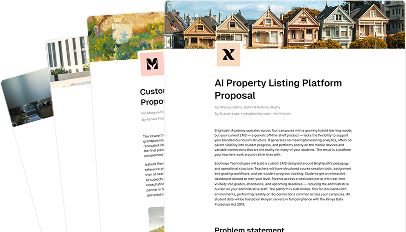
Some functions shouldn't fragment into pods. Finance, legal review, and brand standards usually stay central. The same logic applies to revenue operations — proposal libraries, RFP response content, and pricing approvals work better as shared, version-controlled assets than as pod-by-pod tribal knowledge.
Rebuild Communication and Documentation Norms
The biggest failure mode in remote migration is treating chat as a replacement for everything. It isn't. Set clear tiers:
- Async default — written docs, recorded Looms, ticket comments. Most decisions live here.
- Scheduled sync — short, agenda-driven calls for genuine debate or relationship work.
- Real-time chat — fast questions only, never the source of truth.
GitLab's public remote work handbook is the gold-standard reference here — it documents how a fully distributed org runs without offices and is worth copying liberally.
Document every recurring process. If a task happens more than twice, it needs a written SOP. This is non-negotiable in remote-first because you can't lean over and ask.
Handle the People Side Honestly
Restructuring means some roles change or disappear. Be direct about it. Three patterns recur:
- Role transitions — coordinators become process owners or project leads
- Skill gaps — some people thrive remote, others need coaching on written communication and self-management
- Genuine redundancies — the office made certain jobs necessary; remote doesn't
Give people a real transition window — 60 to 90 days — with explicit expectations. Track output, not online status. Watching green dots is the fastest way to lose trust and your best people.
Consolidate and Standardize Tooling
In-house teams accumulate tool sprawl because proximity papers over gaps. Remote exposes it. Standardize on a minimal stack:
| Function | Purpose | Remote-First Priority |
|---|---|---|
| Documentation | Single source of truth | Critical |
| Project management | Async task ownership | Critical |
| CRM | Pipeline and client data | High |
| Video/recording | Async updates, demos | High |
| Proposal/RFP automation | Reusable revenue content | High |
If your agency sells or pitches, the CRM choice matters more remote than in-house because nobody overhears deal updates anymore. Compare options like HubSpot versus Salesforce against your team size and deal complexity before committing.

Protect Revenue Operations During the Move
Client-facing work can't pause during restructuring. Lock down who owns each active account and each open proposal before reshuffling anyone. Pipeline visibility drops in remote transitions because informal status updates vanish.
Standardize your sales motions while you're at it. If discovery and qualification lived in people's heads, document them now — a repeatable sales discovery call process survives team changes far better than tribal knowledge does.
Sequence the Migration in Phases
Don't restructure everything at once. A workable sequence:
- Weeks 1–2: Audit roles and workflows
- Weeks 3–4: Document core processes, consolidate tooling
- Weeks 5–8: Pilot pod structure with one or two teams
- Weeks 9–12: Roll out broadly, handle transitions, retire redundant tools
Pilot first. The team you pilot with will surface every broken assumption before you scale the pain across the whole agency.
Key Takeaways
- Remote-first is a new operating model, not your office org chart relocated
- Audit real deliverables before moving anyone; expose hidden coordination work
- Restructure into small cross-functional pods with clear decision authority
- Make async documentation the default; reserve sync time for genuine debate
- Standardize tooling and lock down client/proposal ownership before reshuffling
- Phase the migration and pilot before scaling — track output, never green dots