Some sales activities should never be fully automated with AI agents: discovery calls, deal negotiations, executive relationship-building, handling escalations, and final pricing decisions. These require human judgment, emotional intelligence, and accountability that AI can't replicate. Use AI to assist and prep, but keep a human in the loop where trust, nuance, and high-stakes decisions are on the line.
Why Some Sales Work Resists Full Automation
AI agents are great at volume, pattern-matching, and repetitive tasks. They draft emails, log activity, summarize calls, and route leads at scale. But selling complex B2B deals isn't just information transfer. It's persuasion, trust, and reading what someone isn't saying.
Most teams get this wrong by chasing efficiency and automating the exact moments where a buyer wants to feel heard. The result: higher reply rates but lower close rates. The line you're looking for is judgment. If a task needs accountability or emotional read, keep a human driving.

Activities to Never Fully Automate
1. Discovery Calls
Discovery is where deals are won or lost. A good rep adapts in real time, picks up on hesitation, and probes the pain behind a stated need. AI can prep questions and research the account, but it can't build rapport or sense when to slow down. Learn how to prepare for a discovery call instead of outsourcing the conversation itself to a bot.
2. Negotiation and Pricing Decisions
Negotiation involves trade-offs, concessions, and reading leverage. An AI agent might offer a discount it shouldn't, or miss a buyer signal that they'd pay full price. Final pricing and contract terms need a human who owns the P&L impact. Let AI model scenarios; don't let it commit to them.
3. Handling Objections and Escalations
When a deal goes sideways or a customer is frustrated, automated responses make it worse. Escalations need empathy and authority. A canned AI reply to an angry executive is how you lose a renewal. Qualification frameworks like MEDDIC, BANT, and SPIN help structure these conversations, but a person should run them.
4. Executive and Champion Relationships
Multi-threading into the C-suite is relationship work. Buyers can tell when outreach is generated. A personalized note from a VP carries weight an AI sequence never will. Keep senior relationship-building human, especially in account-based motions where trust compounds over months.
5. Final Proposal Sign-off
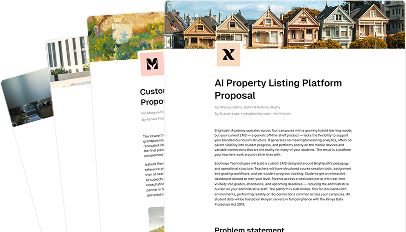
AI can draft a proposal or RFP response fast, but someone accountable must review it before it goes out. A hallucinated commitment, a wrong price, or an overstated capability creates legal and reputational risk. Human review is the safety net.
What AI Agents Should Handle
The goal isn't to avoid AI. It's to deploy it where it's strong:
- Research and account enrichment before calls
- Drafting first-pass emails, follow-ups, and proposals
- Logging and CRM hygiene so reps stop doing data entry
- Lead scoring and routing at scale
- Call summaries and action items post-meeting
- Answer libraries for RFPs and security questionnaires
These tasks free reps to spend time on the high-judgment work above. Platforms like sales engagement tools handle this well, whether you're comparing Outreach vs Salesloft or building workflows in your CRM.
The Human-in-the-Loop Model
The practical answer for most teams is a human-in-the-loop design. AI does the heavy lifting, then a person approves, edits, or sends. This pattern is well documented in responsible AI guidance from sources like Google's People + AI Guidebook, which stresses keeping humans in control of consequential decisions.

A Simple Decision Rule
Ask three questions before automating any sales task:
- Does it require emotional intelligence? If yes, keep a human.
- Is there real money or legal risk on the line? If yes, require human sign-off.
- Would the buyer feel deceived if they knew it was automated? If yes, don't fully automate it.
If all three are no, automate freely. If any is yes, use AI to assist, not replace.
Risks of Over-Automating
Full automation of relationship-driven sales creates predictable failures:
| Risk | What Happens |
|---|---|
| Generic outreach | Lower reply and conversion rates |
| Hallucinated claims | Legal exposure, lost trust |
| Missed buyer signals | Deals stall with no human to recover them |
| Brand damage | Frustrated buyers churn after bad bot experiences |
| Compliance gaps | Unreviewed answers in regulated RFPs |
The roles themselves shift, too. Understanding the difference between B2B sales and business development helps you decide where AI augments early pipeline work versus where senior closers must stay hands-on.
Key Takeaways
- Never fully automate discovery, negotiation, escalations, executive relationships, or final sign-off.
- AI excels at research, drafting, CRM hygiene, lead routing, and call summaries.
- Use a human-in-the-loop model: AI assists, a person approves consequential decisions.
- Apply the three-question test: emotional intelligence, financial/legal risk, and buyer trust.
- Over-automation trades short-term efficiency for long-term win rates and brand trust.