In 2026, AI revenue operations will be dominated by autonomous AI agents that execute multi-step workflows, predictive pipeline intelligence that forecasts deal risk in real time, and AI-native RevOps platforms that unify CRM, marketing, and sales data. Conversational analytics and AI-driven proposal automation round out the shift from reactive reporting to proactive revenue orchestration.
Autonomous AI Agents Take Over Repetitive RevOps Work
The biggest jump from 2025 to 2026 is the move from AI "copilots" that suggest actions to autonomous agents that take them. These agents handle CRM hygiene, lead routing, follow-up sequencing, and meeting prep without a human clicking through every step.
Most teams underestimate how much manual work this removes. An agent can detect a stalled opportunity, draft a re-engagement email, schedule the send, and log the activity — all before a rep opens their laptop. Platforms like Salesforce Agentforce and similar agentic frameworks are pushing this from demo to production.
Where this connects to outbound, AI now handles personalized cold email outreach end to end, choosing the angle, writing copy, and adjusting cadence based on reply signals.

Guardrails Matter More Than Capability
The risk isn't whether agents can act — it's whether they act correctly. Expect 2026 RevOps stacks to ship approval thresholds, audit logs, and confidence scoring so humans review only high-stakes actions like discount approvals or contract terms.
Predictive Pipeline Intelligence Replaces Gut-Feel Forecasting
Forecasting has always been part math, part wishful thinking. AI models trained on historical deal data now flag at-risk opportunities weeks before a rep would notice, scoring deals on engagement velocity, stakeholder coverage, and competitor activity.
The practical payoff is earlier intervention. Instead of a surprise slipped quarter, RevOps leaders get a weighted forecast that updates daily and explains why a number moved. This also helps diagnose structural problems — for agencies, it can reveal why billable hours percentages drop below industry benchmarks before they hit the P&L.
AI-Native RevOps Platforms Unify the Data Layer
Fragmented data kills revenue insight. The 2026 trend is consolidation: platforms that ingest CRM, marketing automation, product usage, and call transcripts into a single semantic layer that AI can query directly.
This matters because an agent or model is only as good as the data it sees. A unified layer means a forecast model and a churn-risk model draw from the same source of truth, eliminating the contradictions that plague bolt-on AI tools today.
| Capability | 2024-2025 (Copilot Era) | 2026 (Agentic Era) |
|---|---|---|
| Action | Suggests next step | Executes multi-step workflows |
| Forecasting | Static, weekly | Continuous, explainable |
| Data | Siloed connectors | Unified semantic layer |
| Human role | Operator | Reviewer and strategist |
Conversational Analytics Becomes the Default Interface
Dashboards aren't going away, but the primary way RevOps leaders ask questions is shifting to natural language. "Show me deals over $50K with no exec engagement in 14 days" returns a filtered list and a recommended action — no SQL, no analyst ticket.
This democratizes data. Frontline managers who never touched a BI tool can interrogate the pipeline directly, which speeds decisions and frees data teams for deeper modeling work.
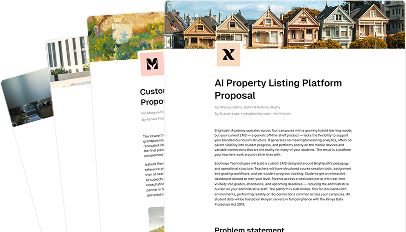
AI-Driven Proposal and RFP Automation Scales Deal Velocity
Proposals and RFPs are where revenue stalls quietly. In 2026, AI compresses turnaround by drafting tailored responses from a knowledge base, matching prior winning answers to new requirements, and flagging compliance gaps.
The model picks the right tone and evidence per buyer, much like how teams compare ChatGPT versus Claude for outbound writing when deciding which engine fits a use case. Faster, sharper proposals mean more deals reach signature before momentum fades.

Outcome-Based Pricing Reshapes How Revenue Gets Measured
As AI absorbs the work that used to fill timesheets, the link between effort and revenue breaks. This is forcing a pricing rethink, especially in services. The same pressure driving pricing models that replace the billable hour is pushing software vendors toward outcome and usage-based models tied to revenue delivered, not seats sold.
RevOps teams will need to instrument outcomes carefully — pipeline created, deals influenced, time-to-close — because that's increasingly what the customer pays for.
How to Prepare Your RevOps Stack for 2026
Start with data quality, because no agent or model survives dirty CRM records. Then pilot one autonomous workflow with tight guardrails — lead routing or follow-up sequencing are low-risk entry points. Measure the time reclaimed, expand from there, and keep a human in the loop on anything touching price or contract terms.
Don't buy the all-in-one promise blindly. The teams that win pair a strong unified data layer with focused agents, rather than betting everything on a single vendor's roadmap.
Key Takeaways
The 2026 shift is from AI that advises to AI that acts. Autonomous agents will execute RevOps workflows, predictive intelligence will make forecasting continuous and explainable, and unified data platforms will feed both. Conversational analytics replaces dashboard hunting, proposal automation accelerates deal velocity, and outcome-based pricing redefines how revenue itself is measured. The competitive edge goes to teams that fix their data, deploy agents with guardrails, and keep humans focused on strategy.