No matter what kind of business you operate, every company needs one essential element: sales. You might have an amazing product and a talented team, but without sales, even the greatest products and companies would struggle. And as you likely know, sales isn't that straightforward - that's why we need sales funnel stages.
A sale is rarely as simple as someone discovering your product and immediately buying it. It can be a complicated, time-consuming journey, where buyers go through multiple stages before finally making their purchase. This is known as a sales funnel, and regardless of what you offer and how you sell it, all sales funnels share some similar stages.
Stage 1: Awareness
Before a buyer even considers spending money with you, they need to discover that your company exists and understand what you provide. This is the very beginning of the sales funnel and a vital part of every transaction.
Building Brand Awareness
To create awareness around your brand, you can use various tactics, such as:
Creating SEO-optimized content
Posting on social media platforms
Contributing guest articles to other websites
Running giveaways and competitions
Producing YouTube content
Hosting webinars
Participating in events and conferences
If your business is doing something noteworthy, you can also gain media attention by distributing a press release to appropriate outlets. This is the simplest way to connect with a new audience and earn their trust.
Key Objectives
At this stage, your primary objective is to inform your customers that you exist. When they need your product or service, they'll remember you first and then explore further. You want to develop content that will catch your customers' attention, for instance, content about typical sales challenges, market trends, or advice that your target audience finds valuable.
When buyers discover you through this kind of content, they are likely to browse your blog further and realize that you actually offer a product that can address their problems. This is why it's essential not to bombard your customers in the awareness stage with various features, advantages, and competitor comparisons. You simply want to capture their attention and make that initial connection.
Stage 2: Interest
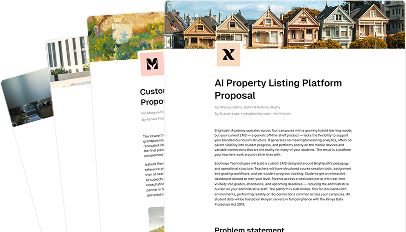
At this stage in the sales funnel, the buyer understands enough about you and your offerings to be curious about what you provide. Across many industry articles, experts discuss how challenging and exhausting it is to build business proposals manually or with outdated tools. Eventually, the buyer becomes curious about what contemporary proposal solutions provide - such as AI-driven proposal generation - and begins to discover more about how these products can simplify their work.
Content Strategy
For this stage of the sales funnel, you need to develop content that educates and assists. You need practical examples of your offering so that the curious buyer can relate to the scenarios you're presenting. At this stage, the lead isn't prepared to purchase yet - they're simply curious. You shouldn't pressure them to buy immediately because they lack sufficient information to decide yet. Instead, position yourself as an authority who's willing to assist and direct them.
Nurturing the Lead
If you've collected the potential customers' emails (which you should by this stage), share helpful content on how to excel in the area that your product addresses. Share advice on accelerating their sales cycle, securing deals quicker, or attracting more clients. Don't jump straight into pushing product features or comparisons.
Stage 3: Evaluation
At this stage of the sales funnel, the lead is significantly closer to becoming a buyer. They're considering whether what you're offering is something they truly require. You must persuade them that your solution is what they need, and additionally that you outperform your competitors.
Demonstrating Value
For this stage of the sales funnel, it's beneficial to offer comprehensive guides for your product where a buyer can observe it in action. For instance, demonstrate practical guides on how to cut down the time it takes to build a proposal - from several hours to mere minutes. Illustrate how much time they can conserve by importing customer information from their CRM straight into your tool rather than handling it manually.
Competitive Positioning
Comparison articles are quite typical in the SaaS industry - these pieces are excellent for this stage of the sales journey. They allow your customers to understand the value that you deliver compared to competitors offering comparable products and services. The crucial thing here is to showcase that unique factor that distinguishes you.
At this stage, selling remains a collaborative effort between marketing, sales, and customer support. You should develop the appropriate content but don't hesitate to encourage the customer in the right direction and present them a free trial. Be available to address their concerns before they even raise them.
Stage 4: Engagement
The potential buyers now have substantial materials to review about your offering and make an informed decision. There is just one significant challenge - you can't depend on them to complete all the research. You're not the sole one seeking their attention - there is considerable competition with comparable products and pricing. Rather than waiting for your customers to decide, ensure you engage them and influence their choice towards you.
Active Engagement Tactics
The most successful brands accomplish this without being aggressive. As previously mentioned, you should maintain an email list by this point and you should deliver targeted emails to customers who are hesitant. Based on what they need and which features they require most, share the content to deliver that final push towards purchasing.
These might include:
Product announcements
Exclusive package deals
Invitations for a free trial of your application
Personalized demonstrations
Ensure that you're consistently in their thoughts when they're considering a product in your category.
Stage 5: Purchase
After you've invested all this time cultivating your leads and developing the appropriate content for them, they're prepared to commit. But before they provide their credit cards—understand that how you finalize the sale determines everything in how satisfied someone is as a customer and how long they remain with you.
Creating a Positive Purchase Experience
Show empathy in your customer service, make your customer feel valued, and demonstrate your commitment to delivering customers the best experience. Based on what you offer, this is an ideal stage to have your sales representative available to respond to all inquiries and direct the customer towards completing a purchase. The sales team should demonstrate best practices and techniques on how to maximize the product they're about to purchase.
Do All Funnels Have the Same Sales Funnel Stages?
Definitely not. If you perform a quick Google search, you'll discover that there are countless illustrations of various sales funnels. Some contain 4 stages, others include 5 or even 8. This is entirely normal and shouldn't confuse you.
Based on what you offer and who you sell it to, your journey will appear different. Particularly in the world of B2B, it can require months before someone who discovers your brand becomes a customer. Don't feel obligated to adopt one type of sales funnel simply because it's well-known or appears acceptable. Examine your sales journey and your customers and implement a model that suits your industry and specific situation.
Conclusion
A sales funnel is a framework that your marketing, sales, and customer support teams should implement. Though it may appear like simple guidelines, it can assist you in visualizing the journeys your customers experience from the first time they discover your brand to the moment they transform into repeat customers and brand advocates. If you haven't already established a sales funnel for your sales process, ensure to develop one today and review it regularly for the best outcomes.
Want to create proposals faster? Wonit builds stunning proposals in minutes, not weeks. Get early access to close deals faster.